


Are Lifestyle Events Safe? What to Expect in 2026
Lifestyle events have become a popular way for people to connect, celebrate, and explore new interests. From wellness retreats and food festivals to music gatherings and cultural fairs, these events offer unique experiences that enrich lives. Yet, safety remains a top concern for attendees and organizers alike. As we approach 2026, understanding the safety landscape of lifestyle events is essential for anyone planning to participate or host one.

How Safety Has Evolved in Lifestyle Events
Over the past decade, lifestyle events have grown in scale and complexity. This growth has pushed organizers to adopt stronger safety protocols. In 2026, these measures will be more advanced and integrated than ever before.
Health protocols: Following lessons from the global pandemic, many events now require health screenings, vaccination checks, or rapid testing. These steps reduce the risk of contagious diseases spreading.
Crowd management: Organizers use technology like real-time crowd monitoring and controlled entry points to prevent overcrowding and ensure smooth movement.
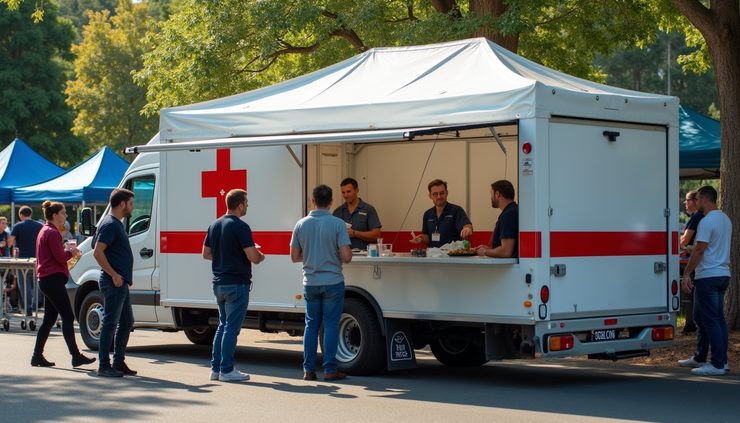
Emergency readiness: Medical stations, trained staff, and clear evacuation routes are standard at most events. This readiness helps handle accidents or health emergencies quickly.
For example, the 2025 Global Wellness Summit introduced wearable devices for attendees that alert medical teams if someone needs help, a trend expected to expand in 2026.
What Attendees Should Expect in 2026
If you plan to attend lifestyle events next year, here are some key safety features you will likely encounter:
Contactless check-ins: To reduce queues and contact, many events will use QR codes or facial recognition for entry.
Enhanced sanitation: Frequent cleaning of common areas and availability of hand sanitizers will be standard.
Clear communication: Organizers will provide real-time updates via apps or screens about safety guidelines, weather changes, or emergency instructions.
Personal responsibility: Attendees will be encouraged to follow safety rules, such as wearing masks in crowded indoor spaces or maintaining distance when possible.
These measures aim to create a safe environment without compromising the enjoyment of the event.
Risks and How They Are Managed
While lifestyle events strive to be safe, some risks remain. Understanding these risks helps attendees prepare better.
Weather-related hazards: Outdoor events face risks like heatwaves, storms, or sudden weather changes. Organizers plan for these by providing shaded areas, water stations, and weather alerts.
Security threats: Large gatherings can attract unwanted incidents. Security personnel, bag checks, and surveillance cameras help reduce these risks.
Health emergencies: With many people in close proximity, illnesses or injuries can occur. On-site medical teams and quick response systems are vital.
For instance, the 2024 Summer Music Festival reported a 30% decrease in medical incidents after introducing mobile first-aid units that move through the crowd.
Tips for Attending Lifestyle Events Safely
To make the most of your experience while staying safe, consider these practical tips:
Plan ahead: Check the event’s safety policies and prepare accordingly. Bring masks, hand sanitizer, and any personal medications.
Stay hydrated and rest: Especially for outdoor events, drink plenty of water and take breaks in shaded areas.
Follow instructions: Pay attention to announcements and respect safety guidelines.
Travel smart: Use reliable transportation options and avoid traveling alone late at night.
Know emergency points: Identify medical stations and exits as soon as you arrive.
By taking these steps, you contribute to your safety and that of others.

Looking Ahead: The Future of Safety at Lifestyle Events
In 2026, lifestyle events will continue to balance excitement with safety. Advances in technology, better health awareness, and improved event planning will make these gatherings safer than before. Attendees can expect more personalized safety features, such as health monitoring apps and AI-powered crowd control.
Organizers will also focus on sustainability, ensuring that safety measures do not harm the environment. For example, biodegradable sanitation products and energy-efficient lighting will become common.
Ultimately, safety at lifestyle events depends on cooperation between organizers and attendees. Staying informed, prepared, and respectful of rules will help everyone enjoy these experiences with peace of mind.

Comments